Established contenders find another route
Sustaining or rediscovering greatness requires continuous reinvention. In 2025, premier figures confronted protracted slumps and intense generational challengers by re-engineering fundamental elements of their physical and tactical play.
Rory McIlroy and the conclusion of the decade-long chase
Few narratives in contemporary golf exerted more sustained scrutiny than Rory McIlroy’s major championship drought. Having won four major titles by August 2014, McIlroy spent subsequent years contending regularly without collecting a fifth crown. Each Sunday shortfall invited scrutiny over putting stability and course management under pressure.
His 2025 major triumph was built on restraint. Historically reliant on unmatched driving distance off the tee, McIlroy adjusted his strategy on firm tournament layouts, using fairway woods and long irons to position his ball short of penalty hazards. Rather than forcing birdies from difficult lies, he trusted improved wedge distance control and composed putting to outlast the chasing pack.
 Golf Exhibit
Rory McIlroy
Re-engineering course management and wedge distance control to end a high-profile ten-year wait for a fifth major championship.
Consolidation at the summit: Sinner and Gauff
While veterans rebuilt their approach, younger grand slam champions Jannik Sinner and Coco Gauff demonstrated how early triumphs can be transformed into lasting dominance rather than fleeting peaks.
For Jannik Sinner, 2025 represented the complete consolidation of baseline speed. By enhancing his first-serve percentage and shortening service games, Sinner protected his energy across demanding best-of-five encounters. His ability to produce heavy, penetrating groundstrokes from defensive positions denied opponents attacking angles.
Coco Gauff followed a parallel trajectory in the women’s game. Addressing technical vulnerabilities on her forehand wing, Gauff trusted supreme court mobility and defensive counter-punching to dismantle aggressive hitters. Her 2025 campaign confirmed that her maiden major win was merely the starting point of an enduring era.
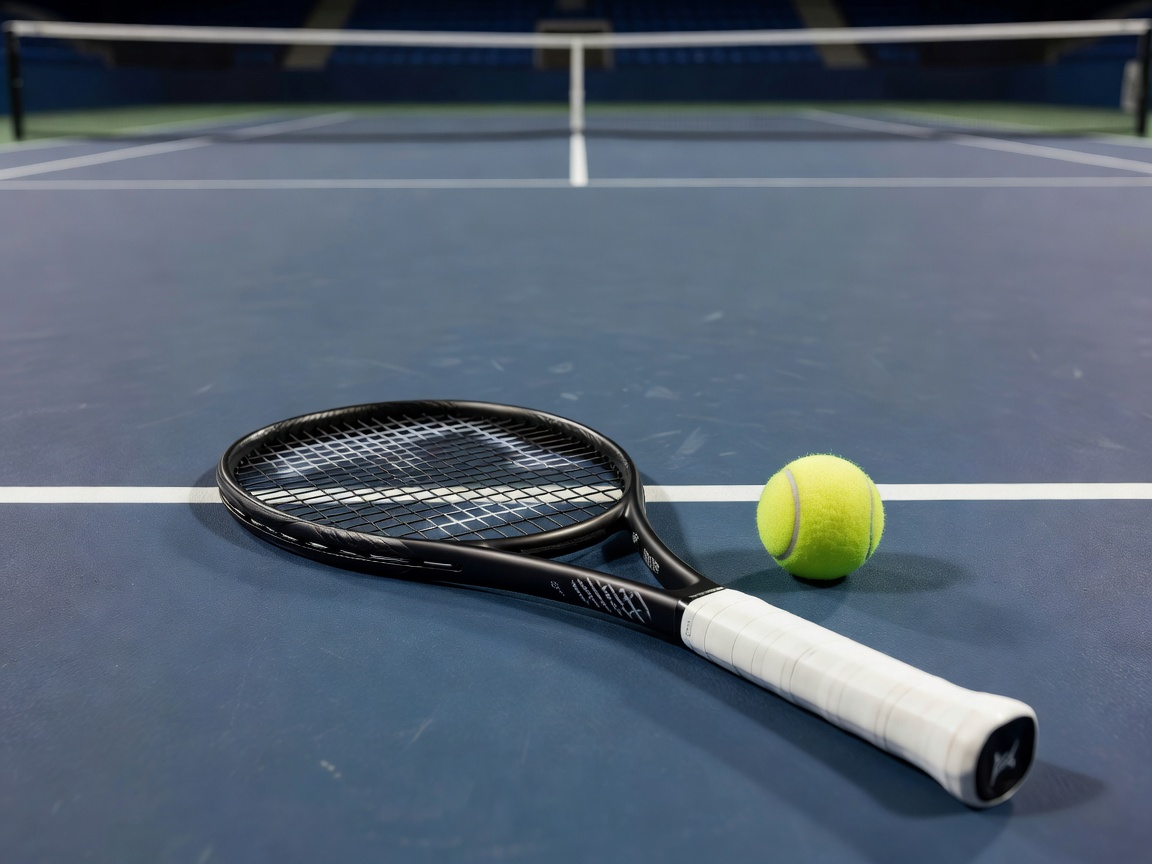 Tennis Exhibit
Sinner & Gauff
Young grand slam champions proving that defensive court coverage and technical service adjustments turn single wins into lasting eras.
Tactical Evolutionary Milestones in 2025
The progression of elite athletes is traceable through specific strategic recalibrations over the course of multiple championship campaigns.
-
Phase 1: Mechanical Diagnostics and Technical Review
Contenders identified recurring technical stress points—such as putting alignment during major Sundays or forehand drive reliability under pressure—and implemented deliberate practice regimes outside tournament weeks.
-
Phase 2: Scheduling Pruning and Physical Peaking
Leading competitors abandoned dense regular schedules in favor of targeted preparations, entering premier events fully rested rather than managing micro-injuries.
-
Phase 3: The Sunday Tactical Execution
During championship rounds, elite winners maintained disciplined, conservative margins when holding leads, forcing challengers to take disproportionate risks.